
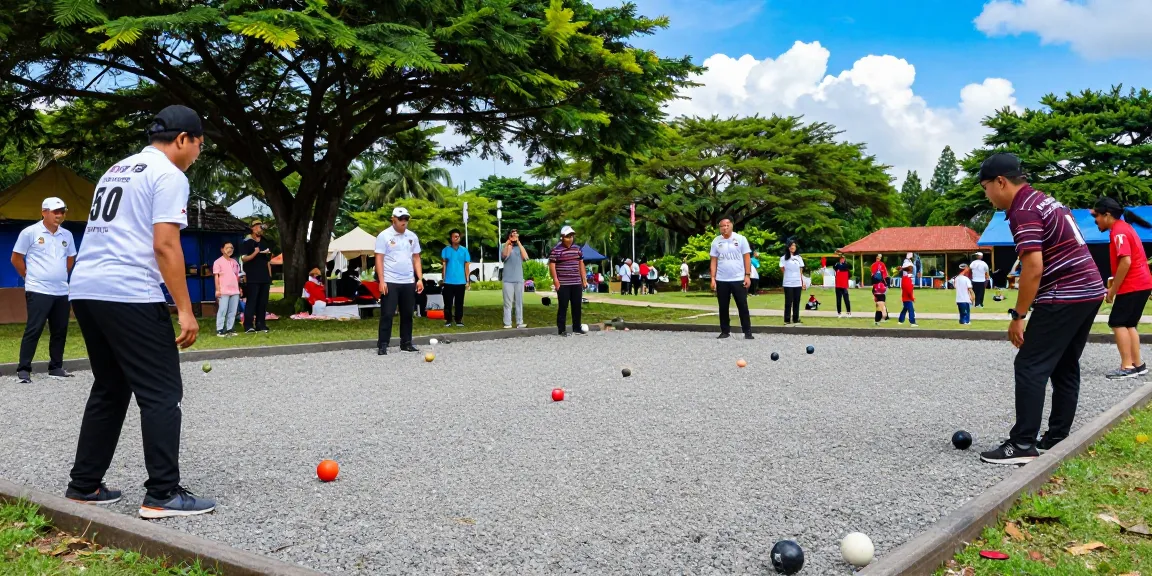
Introduction to Petanque in Indonesia
Petanque, a sport now gaining traction in Indonesia, has its roots in the European boules family. This precision throwing game, which combines skill and strategy, has found a home in diverse communities across the archipelago, especially in urban areas. The presence of Petanque in Indonesia is notably linked to the expatriate community, particularly the French, who introduced the sport in various regions. Today, organizations like FOPI Kota Banjarbaru are pivotal in popularizing and nurturing this sport at the local level. For those interested in exploring the world of petanque in more depth, fopikotabanjarba.org offers comprehensive insights and resources.
History of Petanque in Indonesia
The enigmatic arrival of petanque in Indonesia traces back to the interactions with French expatriates who established various venues, including hotels, to introduce the game. Although precise dates remain elusive, evidence suggests that the game was played in Jakarta, Lombok, Yogyakarta, and Bali since the 1990s. These expatriates not only enjoyed the sport themselves but also encouraged local interest through informal gatherings and events.
The first significant evidence of petanque in Indonesia came from Eddie Lim, a Singaporean who learned the game in Ancol, Jakarta in the 1990s and later took the sport back to Singapore. This key moment highlights the potential of petanque to transcend borders and foster international camaraderie through sport.
It wasn’t until 2011 that petanque received formal recognition when Indonesia hosted the SEA Games, leading to its inclusion as a mandatory sport. This marking of an important milestone catalyzed the formation of the Federasi Olahraga Petanque Indonesia (FOPI) on March 11, 2011, under the auspices of the Provincial Government of South Sumatra.
Development of FOPI Kota Banjarbaru
FOPI Kota Banjarbaru plays a crucial role in the development and promotion of petanque within the Banjarbaru region of South Kalimantan. Established to oversee local competitions, training programs, and athlete development, FOPI has laid down the framework for a structured approach to sports management in the area. The organization works closely with the provincial FOPI and is affiliated with the KONI (National Sports Committee) of Kota Banjarbaru.
One of its key achievements has been organizing local tournaments that foster healthy competition and encourage participation among community members. These events not only enhance players’ skills but also increase public awareness of petanque as an engaging sport. FOPI Kota Banjarbaru’s efforts have positioned the sport as a prominent option for recreational activity in the region.
Impact of Petanque on Local Communities
Petanque has proven to be more than just a sport in Banjarbaru; it has become a tool for community building and social interaction. The integration of petanque courts in public areas has diversified recreational options and encouraged a culture of sporting activities among different demographics.
The inclusiveness of petanque makes it accessible to individuals of all ages and skill levels, promoting an active lifestyle while fostering friendships and camaraderie. Community engagement events and training programs organized by FOPI have seen a surge in participation, leading to a more vibrant local sporting culture.
Understanding the Sport of Petanque
Rules and Gameplay Mechanics
Petanque is played on a gravel surface known as a “piste,” with the objective of throwing metallic balls as close as possible to a smaller target ball, called the “cochonnet.” Each match typically consists of two teams with one to three players each. Players take turns throwing their boules (balls) while trying to outmaneuver their opponents. Scoring occurs when an individual’s boule is closer to the cochonnet than the closest opposing boule.
Understanding the intricate rules and mechanics of gameplay is essential for both new and seasoned players. Key rules include:
- Teams scoring points after each round based on proximity to the cochonnet.
- The order of play is determined by which team is closest to the cochonnet.
- A game is usually played until one team reaches 13 points.
Equipment and Gear Needed
One of the appealing aspects of petanque is its minimal equipment requirements. To start playing, you typically need:
- A set of boules (metal balls) for each player, which usually range from 70mm to 80mm in diameter.
- A cochonnet (jack), which is smaller and serves as the target.
- Optional but recommended: a measuring tape for close calls and a sturdy pair of shoes for outdoor play.
Choosing the right boules can affect your game significantly, as weight and grip are crucial for throwing accuracy.
Common Techniques and Strategies
Mastering petanque involves not only technique but also strategic thinking. Players often employ various techniques depending on the game situation:
- Aiming: Focusing on precision when throwing boules to land close to the cochonnet.
- Weighting: Using the right amount of force to control the distance each boule travels.
- Blocking: Strategically throwing your balls to obstruct opponents’ boules from getting close to the cochonnet.
As players advance, they develop their unique styles and strategies, adding to the diversity and excitement of the game.
FOPI Kota Banjarbaru’s Role and Activities
Organizational Structure and Leadership
The organizational framework of FOPI Kota Banjarbaru is designed to support the growth of petanque by fostering leadership and collaboration among its members. The board consists of experienced individuals passionate about the sport, guiding initiatives aimed at promoting and developing petanque.
Regular meetings and training sessions ensure that athletes receive the necessary resources and education to excel in their sport. This structured approach creates a strong foundation for future athletes and fosters community spirit.
Events and Tournaments Hosted
FOPI Kota Banjarbaru is actively involved in organizing various events and tournaments that serve as platforms for both emerging and seasoned players. These competitions not only allow for showcasing talent but also encourage friendly rivalry and community participation.
Major events include annual championships that attract players from various regions, fostering a sense of unity and mutual respect amongst competitors.
Development Programs for Athletes
Recognizing that systematic training is essential for success, FOPI Kota Banjarbaru has implemented several development programs aimed at honing the skills of aspiring athletes. These programs include:
- Workshops and training camps focusing on mechanics, techniques, and strategies.
- Coaching sessions led by experienced players who guide newcomers.
- Opportunities for participation in regional and national competitions, giving athletes exposure and experience.
Through these initiatives, FOPI is nurturing the next generation of petanque players and ensuring the sport’s sustainability and growth within the region.
Challenges Facing Petanque in Indonesia
Limited Awareness and Participation
Despite the potential of petanque as a popular sport in Indonesia, several challenges hinder its growth. Primarily, limited public awareness remains a significant barrier. Many local communities are still unaware of the sport’s existence or its benefits, leading to lower participation rates.
Education and outreach programs are essential to changing perceptions and increasing awareness of petanque and its inclusion as a recreational and competitive sport.
Infrastructure and Resource Limitations
The availability of suitable venues for playing petanque remains another obstacle. While some public spaces are equipped with boules courts, many areas lack the infrastructure necessary for organized play. Investments in dedicated facilities are crucial to fostering a conducive environment for the sport’s development.
Moreover, access to quality equipment can be limited, particularly in less affluent areas. Collaborations with local governments and businesses can help address these resource shortages.
Strategies to Promote Growth and Engagement
To overcome these challenges, FOPI Kota Banjarbaru is implementing strategies aimed at engaging the community and promoting the sport. These include:
- Hosting beginner workshops to introduce the basics of petanque.
- Creating partnerships with schools to incorporate petanque into physical education curricula.
- Utilizing social media and local events to raise awareness and interest in the sport.
If successful, these efforts can dramatically increase participation and recognition of petanque across Indonesia.
The Future of Petanque in Indonesia and Beyond
Emerging Trends and Opportunities in the Sport
The future of petanque in Indonesia looks promising, with the sport gaining traction due to increasing interest among younger generations. With advancements in technology and social media, avenues for promoting the sport are expanding, allowing for greater outreach and engagement.
Additionally, as more recreational leagues and clubs emerge, opportunities for competitive play continue to grow, providing platforms for players to showcase their skills.
Potential for International Competitions
As petanque’s popularity increases, so does the potential for Indonesia to host international competitions. Opportunities such as inviting foreign teams for tournaments can not only raise the profile of petanque but also establish Indonesia as a formidable competitor on the international stage.
With the 2026 SEA Games on the horizon, there is also an opportunity to advocate for further inclusion and recognition of petanque within larger sporting events.
Community Engagement Initiatives for 2026
As Indonesia prepares for larger events, community engagement initiatives can play a vital role in promoting petanque. Strategies such as workshops, local competitions, and community days can bring individuals together and ignite a passion for the sport.
FOPI Kota Banjarbaru is committed to ensuring that communities are engaged and involved in this journey toward greater recognition. By fostering connections, the organization hopes to create a lasting impact that will ensure the growth and popularity of petanque for years to come.
What is the role of FOPI in promoting petanque?
FOPI is dedicated to promoting and developing petanque at all levels, focusing on organizing competitions, coaching, and increasing awareness of the sport within communities.
How can one participate in local petanque events?
Interested individuals can contact local clubs, visit FOPI events, or engage with community programs to find opportunities for participation in petanque.
What are the benefits of joining a petanque club?
Joining a petanque club offers access to training, competitions, and a supportive community, fostering personal development and enhancing your skills in the sport.
How has petanque evolved in Indonesia since its introduction?
Petanque has transformed from being an expatriate pastime to a recognized sport within communities, thanks to the efforts of organizations like FOPI that promote participation and formal structure.
What are some common misconceptions about petanque?
One common misconception is that petanque requires extensive physical fitness or skill; however, it is a sport accessible to players of all ages and abilities, emphasizing technique over strength.