Overview of the Everest Base Camp Trek
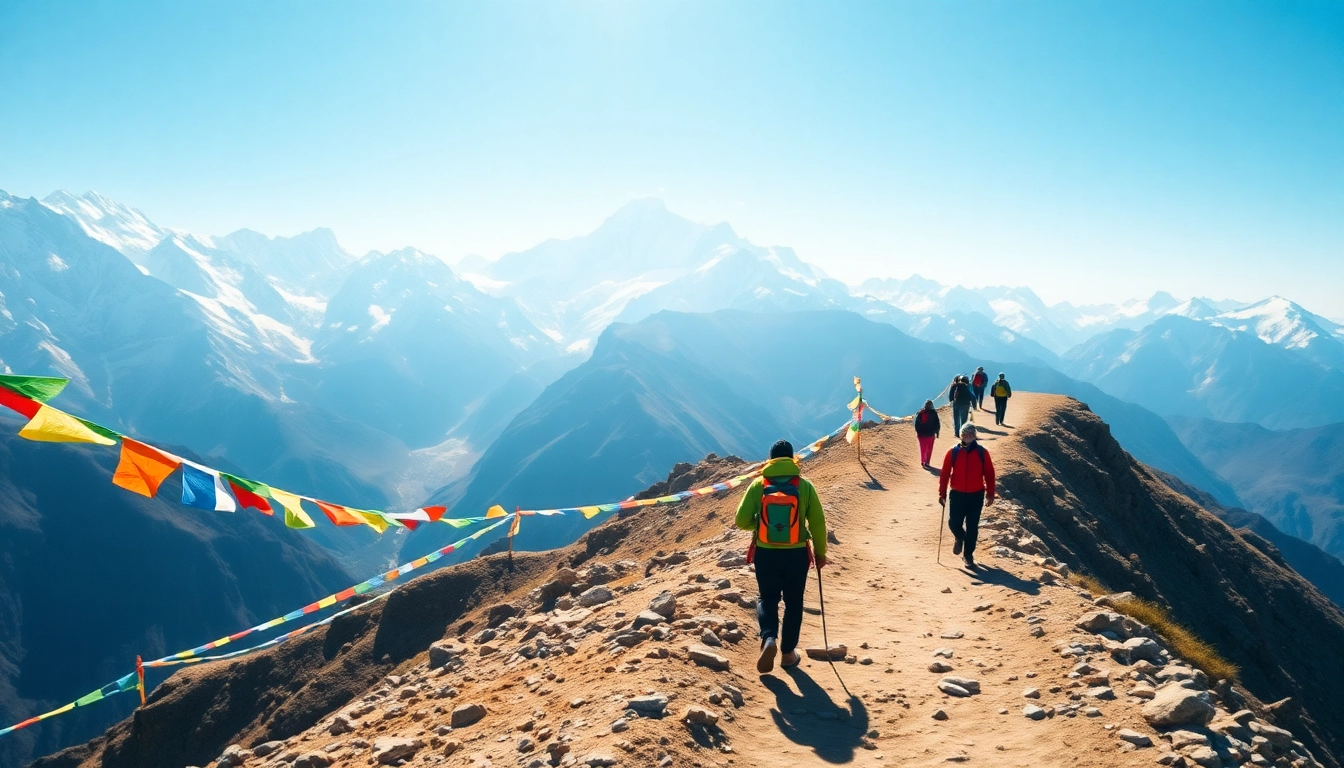
The Everest base camp trek stands as one of the most iconic trekking journeys globally, drawing adventurers and nature enthusiasts alike. Nestled in the heart of the towering Himalayan ranges, this 14-day trek offers an unforgettable experience, where stunning natural beauty meets rich cultural heritage. As trekkers journey through the lush forests and rugged landscapes, they are constantly greeted with breathtaking views of mighty peaks, including the legendary Mount Everest itself. This trek not only allows you to witness the raw power of nature but also immerses you in the traditions and hospitality of the Sherpa people, making it a profound adventure that resonates long after the journey ends.
What to Expect on Your Journey
On the Everest Base Camp trek, expect a mix of challenging terrains and awe-inspiring landscapes. The trek involves ascending through charming villages, crossing suspension bridges, and navigating alpine meadows filled with vibrant flora. Each day brings new challenges, allowing trekkers to acclimatize gradually to the increasing altitude, which is paramount for a safe and successful ascent. Key highlights include the stunning views from Namche Bazaar, the serene ambiance of Tengboche Monastery, and the exhilarating moment you step foot on Everest Base Camp itself, all providing unforgettable memories.
The Importance of Acclimatization
Acclimatization is a crucial aspect of the Everest Base Camp trek. Due to the high altitude, the trek includes designated rest days, especially in Namche Bazaar and Dingboche, where trekkers can adjust their bodies to the thinner air. This process significantly reduces the risk of altitude sickness, which is a common concern for many adventurers. Engaging in shorter hikes during these acclimatization days helps the body adapt while allowing trekkers to enjoy the surrounding beauty.
Essential Preparations Before Trekking
Preparing for the Everest Base Camp trek involves both physical and logistical considerations. It’s essential for trekkers to engage in a fitness regimen focusing on cardiovascular stamina and strength training. Moreover, acquiring the right gear—such as durable trekking boots, warm clothing, and a reliable backpack—will enhance comfort during the journey. Logistically, obtaining necessary permits, booking accommodations, and ensuring travel insurance are also critical steps that should not be overlooked.
Itinerary Breakdown for the 14-Day Trek
The itinerary for the Everest Base Camp trek is designed to balance adventure, acclimatization, and exploration, encompassing a progression from Kathmandu to the base camp and back. Below is a detailed breakdown of the journey:
Day-by-Day Trekking Schedule
- Day 01: Arrival at Tribhuvan International Airport in Kathmandu – Transfer to hotel.
- Day 02: Fly to Lukla from Kathmandu or drive to Manthali/Ramechhap & flight to Lukla, then trek to Phakding.
- Day 03: Trek to Namche Bazaar from Phakding.
- Day 04: Acclimatization Day at Namche – Hike to Hotel Everest View and back.
- Day 05: Trek to Tengboche from Namche Bazaar.
- Day 06: Trek to Dingboche from Tengboche.
- Day 07: Acclimatization Day – Hike to Nangkartsang Peak and back.
- Day 08: Trek to Lobuche from Dingboche.
- Day 09: Trek to Everest Base Camp and then back to Gorak Shep.
- Day 10: Early morning hike to Kala Patthar and descend to Pheriche.
- Day 11: Trek to Namche Bazaar from Pheriche.
- Day 12: Trek to Lukla from Namche Bazaar.
- Day 13: Flight back to Kathmandu or Manthali/Ramechhap from Lukla and drive to Kathmandu.
- Day 14: Transfer to the International Airport for your final departure.
Highlights of Each Day
Each day of the trek is filled with unique experiences, from witnessing the vibrant lifestyle in Namche Bazaar to the breathtaking views at Kala Patthar. The ascent to Everest Base Camp is particularly exhilarating, offering trekkers a chance to reflect on their journey and the challenges they have overcome. The spiritual ambiance of Tengboche Monastery adds a layer of cultural richness to the physical endeavor.
Accommodation and Dining Options
Throughout the trek, accommodations typically consist of local teahouses, which provide basic yet comfortable lodging. Meals are primarily traditional Nepali dishes such as ‘dal bhat’ (rice and lentils), providing the necessary nutrition for the strenuous days ahead. Vegetarians and other dietary preferences can usually be accommodated, ensuring everyone enjoys their meals while trekking.
Vital Packing List for Everest Base Camp Trek
When embarking on the Everest Base Camp trek, packing strategically is essential for a successful adventure. Below is a comprehensive packing list to help you prepare:
Clothing and Gear Essentials
- Waterproof trekking boots with good ankle support.
- Warm clothing layers including thermal underwear, fleece jackets, and waterproof outer layers.
- Sun protection gear: hats, sunglasses, and sunscreen.
- Comfortable daypack to carry daily essentials while trekking.
- Sleeping bag rated for at least -15°C (5°F).
Health and Safety Supplies
- First-aid kit including altitude sickness medication, pain relievers, and personal medications.
- Water purification tablets or filters for safe drinking water.
- Portable oxygen (optional) for high altitudes, especially for those prone to altitude sickness.
Photography and Communication Equipment
Carrying a good camera to capture the stunning landscapes of the Everest region is advisable. Also, consider bringing a power bank or solar charger, as access to electricity may be limited along the trek. Staying connected is essential, so obtaining a local SIM card upon arrival can help keep in touch with family and loved ones.
Cost Considerations for Trekking to Everest Base Camp
Understanding the costs associated with the Everest Base Camp trek is vital for effective budgeting. The journey involves various expenses that trekkers should anticipate.
Detailed Breakdown of Trek Costs
- Standard trek package: Approximately USD 1,650, including permits, lodging, meals, guides, and porters.
- Additional costs for extra services such as upgraded accommodations or helicopter flights.
- Daily spending for snacks, drinks, and incidental purchases: USD 15–20.
Budgeting Tips for Food and Accommodation
While the cost of food in mountain teahouses is generally reasonable, budgeting for extra meals in Kathmandu or for snacks along the trail can significantly enhance your experience. Staying flexible with your budget allows for enjoyable treats like local specialties or additional beverages.
Potential Extra Expenses to Anticipate
Aside from the basic trek package, expect potential extra costs such as:
- Hot showers or internet charges at teahouses.
- Tips for guides and porters (generally around 10% of the trek cost).
- Equipment rentals for sleeping bags or down jackets, if required.
Frequently Asked Questions about Everest Base Camp
As the Everest Base Camp trek garners global interest, several common questions arise from prospective trekkers. Here are some insightful responses to these inquiries.
Is the Trek Suitable for Beginners?
Yes, the Everest Base Camp trek is accessible to beginners with reasonable physical health and determination. With a good support system from Ace the Himalaya’s experienced guides, first-time trekkers can safely navigate the challenges and enjoy the breathtaking landscapes.
How to Deal with Altitude Sickness
Altitude sickness is a common risk during the trek; thus, acclimatization days are integrated into the schedule. Staying hydrated, ascending gradually, and being aware of early symptoms are critical strategies. Should symptoms arise, communicating with your guide immediately is essential for effective management.
What to Do in Case of Flight Delays to Lukla
Flight delays to Lukla are not uncommon due to weather conditions. It’s advisable to have buffer days in your itinerary to accommodate any potential delays. These extra days help ensure you don’t miss your international flights back home.