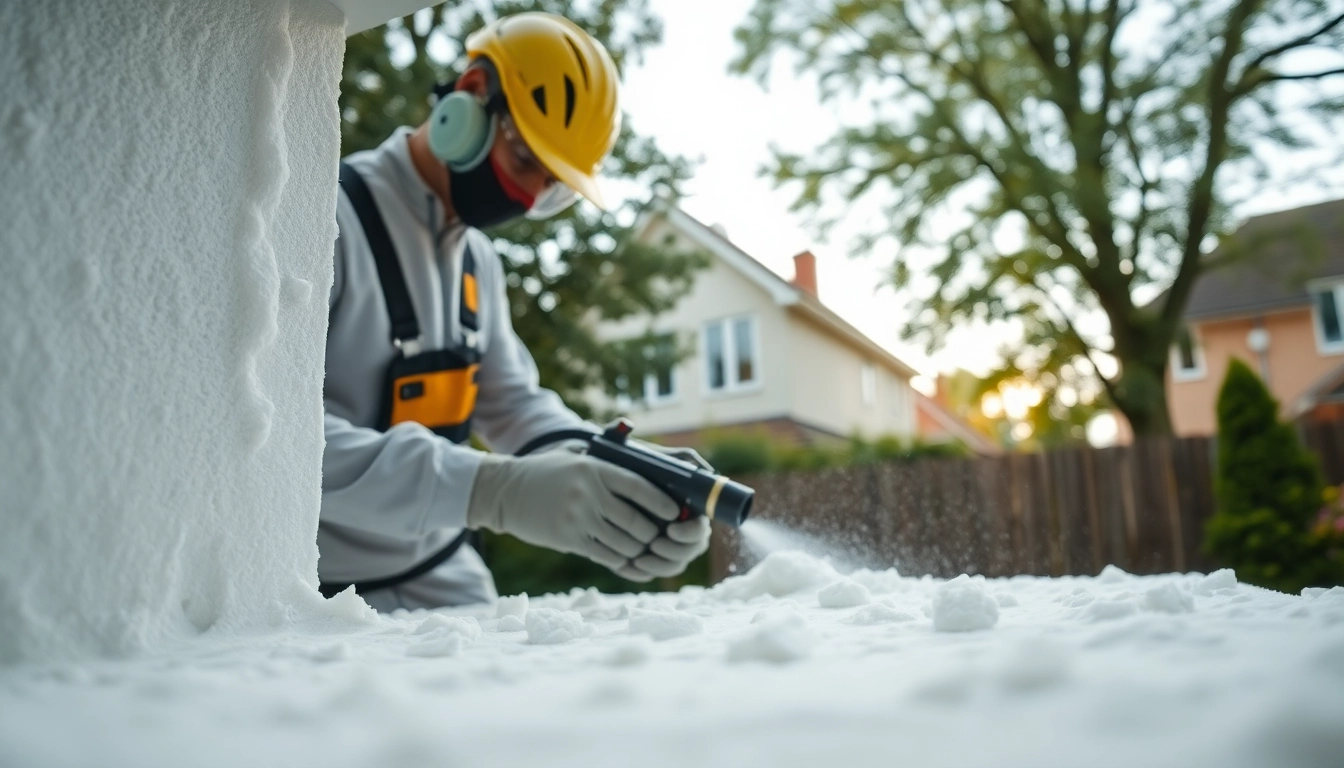
Understanding Spray Foam Removal East Sussex
What is Spray Foam Insulation?
Spray foam insulation is a versatile building material that has gained immense popularity in modern construction for its superior insulation properties. Unlike traditional insulation methods, spray foam is applied as a liquid that expands upon contact, filling gaps and creating a seamless barrier. This foam can significantly enhance energy efficiency by reducing air leaks and thermal bridging. It comprises two main components: isocyanate and polyol resin, which react to form a solid insulation layer. The result is an effective barrier against both heat loss during winter and heat gain during summer, making it a favored choice among homeowners looking to improve their energy usage. If you’re interested in the nuances of insulation methods, check out spray foam removal East Sussex for comprehensive information.
Reasons for Removal
Despite its advantages, there are several compelling reasons that homeowners in East Sussex might consider removing spray foam insulation. One significant issue arises when the foam has been improperly installed or if it begins to break down. Over time, physical deterioration can lead to cracks and gaps, which undermine its effectiveness as an insulator. Additionally, spray foam insulation can trap moisture within wall cavities, creating a suitable environment for mold and other harmful fungi to thrive. Some homeowners may also want to remove spray foam insulation due to changes in renovation plans or if they discover that it was applied over pre-existing issues, such as water damage. Also, specific types of spray foam can emit volatile organic compounds (VOCs), which could have adverse effects on indoor air quality. Thus, it is crucial to evaluate the condition of spray foam and the reasons for its removal meticulously.
How It Affects Your Property
Spray foam insulation, although beneficial in many aspects, can have adverse effects on your property if not maintained adequately. When it begins to break down or if moisture is trapped, it can compromise structural integrity, leading to potential issues with walls, ceilings, and foundations. The presence of mold not only poses health risks to inhabitants but also necessitates costly repairs if it damages the underlying structures. Furthermore, old or degraded spray foam insulation can lead to poor energy performance, increasing your utility bills as HVAC systems work harder to maintain indoor temperatures. Therefore, understanding these implications emphasizes the importance of regular inspections and, when necessary, professional removal services to preserve the health of the home and its occupants.
Signs You Need Spray Foam Removal East Sussex
Identifying Water Damage
Identifying water damage in areas insulated with spray foam is crucial since it can lead to significant long-term issues. A telltale sign of water damage includes visible water stains on ceilings or walls, which may indicate a leak somewhere in the home. Homeowners should also be vigilant for damp spots or areas with a musty smell that could suggest moisture accumulation within wall cavities. Furthermore, peeling paint or bubbling drywall can be indicative of water ingress hidden beneath the foam layer. Regular inspections of vulnerable areas—such as around windows, roofs, and plumbing fixtures—can help catch water damage early, which is essential for effective remediation.
Mold and Mildew Issues
The presence of mold and mildew in a home is often a clear signal that removal of spray foam insulation might be necessary. If you observe signs of mold growth in areas insulated with spray foam, it can pose health risks, potentially leading to respiratory problems and other health issues. Common indicators include dark spots on walls or ceilings, a persistent musty odor, and even allergic reactions among household members. If mold is found, it’s typically a result of trapped moisture within the foam or inadequate ventilation. Prolonged exposure can exacerbate health issues, making early identification and removal vital for safeguarding both your property and your health.
Home Energy Efficiency Problems
Another sign that spray foam insulation may need removal is a notable decline in energy efficiency. Homeowners may notice fluctuating temperatures, drafts, or higher-than-usual utility bills, which could signal that the insulation is no longer performing effectively. Over time, spray foam can deteriorate or become compacted, reducing its insulation properties. Consequently, an energy audit can be an excellent investment to determine whether your insulation is doing its job efficiently. Addressing these efficiency issues promptly through removal and replacement can lead to significant energy savings and a more comfortable living environment.
Choosing a Professional Service for Spray Foam Removal East Sussex
Key Considerations for Hiring
When selecting a professional service for spray foam removal in East Sussex, it’s essential to consider several factors to ensure you receive quality service. Firstly, check for credentials and licenses, as these reflect a company’s compliance with industry standards and regulations. Experience is another critical factor; firms with extensive experience in spray foam removal will likely have the expertise needed to handle the process safely and effectively. Customer reviews and testimonials provide insights into the quality of work and reliability of the service provider. It’s advisable to get multiple quotes and compare their scope of work and warranties before making a decision.
What a Good Service Includes
A reputable spray foam removal service should provide a comprehensive package that includes an initial inspection, safe removal of insulation, debris cleanup, and post-removal assessments. The process should begin with an evaluation by trained professionals to identify potential issues and develop a tailored removal plan. After the removal, the area should be thoroughly cleaned to ensure that no residual materials pose future risks. Good services may also offer guidance on alternative insulation options and upgrades to improve energy efficiency moving forward. Ensuring they follow safety protocols and comply with environmental regulations is crucial for your protection and peace of mind.
Estimating Costs Effectively
Estimating the costs involved in spray foam removal can vary widely based on several factors, including the size of the area being treated, the type of foam used, and the condition of the insulation. Typically, the cost will include labor, equipment, and potential repairs to any drywall or structural components impacted by the removal process. It’s wise to request detailed quotes that break down the costs for transparency, allowing you to budget accordingly. Additionally, keep in mind that investing in professional removal may save you money in the long run by improving energy efficiency and preventing further mold-related issues.
DIY vs Professional Spray Foam Removal East Sussex
Benefits of Professional Services
Opting for professional services for spray foam removal often provides significant benefits that can outweigh anticipated costs. Professionals are equipped with specialized tools and techniques that ensure the insulation is removed safely and effectively. They can assess and address underlying issues, such as moisture damage or mold growth, that a DIY approach might overlook. Furthermore, professional services mitigate the health risks associated with handling spray foam materials, which can release harmful particles and chemicals during removal. Overall, choosing professionals enhances safety, efficiency, and peace of mind throughout the removal process.
Risks of DIY Removal
While some homeowners may consider DIY spray foam removal as a cost-saving measure, this approach carries significant risks. The chemicals involved in spray foam are hazardous, and improper handling can lead to serious health concerns, including respiratory issues from inhalation or skin irritation from direct contact. Additionally, without the proper safety gear and training, there is a greater likelihood of damaging surrounding structures or releasing toxic chemicals into the home environment. Inaccuracy in the removal process can result in incomplete insulation removal, leaving you with ongoing issues that could have been avoided through professional intervention.
Tools and Materials You Might Need
If still considering a DIY approach, it’s essential to be aware of the tools and materials required for safe and effective spray foam removal. Basic tools may include utility knives, scrapers, and oscillating tools equipped with suitable blades for cutting foam. Safety gear, including respirators, gloves, and protective eyewear, is vital to prevent exposure to hazardous materials during the process. Additionally, contractors often utilize specialized removal tools such as foam scrapers and vacuums equipped to handle debris effectively. Awareness of best safety practices and proper disposal procedures is equally crucial to ensure a successful outcome.
Post-Removal Considerations and Maintenance
Ensuring Indoor Air Quality
After spray foam removal, ensuring indoor air quality is a critical step in maintaining a healthy home environment. The removal process can release dust and other particles into the air, potentially impacting air quality. To address this, consider implementing air purifiers or enhancing ventilation in your home to facilitate the circulation of fresh air. Furthermore, regular cleaning and the use of low-VOC paints and finishes can help mitigate any lingering odors from the spray foam. Incorporating house plants that improve indoor air quality can also contribute to a healthier living space.
Future Insulation Options
Once spray foam has been removed, homeowners are encouraged to explore alternative insulation options that may better fit their needs and preferences. Common alternatives include cellulose insulation, fiberglass batts, and mineral wool, each offering different benefits in terms of thermal resistance and soundproofing capabilities. Additionally, modern insulation solutions, like reflective or radiant barriers, can serve to enhance energy efficiency. Understanding the building’s specific requirements and any potential environmental impacts is crucial in selecting the right insulation method for the future.
Regular Maintenance Tips
Regular maintenance is essential to avoid the recurrence of issues associated with spray foam insulation. Homeowners should conduct periodic inspections of the insulation and surrounding areas, checking for signs of moisture, mold, or pest infestations. Keeping gutters clean and ensuring proper drainage around the foundation can help prevent water damage. Furthermore, maintaining adequate indoor humidity levels through ventilation can reduce the risk of moisture accumulation. Implementing these practices will contribute to the longevity of your new insulation and the overall health of your home.
Frequently Asked Questions
1. How long does spray foam insulation last?
Spray foam insulation typically lasts between 25-30 years if installed correctly, but its longevity can be affected by moisture and environmental conditions.
2. What are the health risks associated with spray foam?
Health risks include respiratory issues and skin irritation due to exposure to chemicals in the foam, especially during installation and removal.
3. Can I remove spray foam insulation myself?
While possible, DIY removal poses risks, including health hazards and property damage. Professional services are usually safer and more effective.
4. How can I identify mold from spray foam insulation?
Signs include visible dark spots, musty odors, and health symptoms like sneezing or coughing. Regular inspections can help catch issues early.
5. What alternative insulation options are available?
Alternative options include fiberglass batts, cellulose, and mineral wool, each offering various benefits in insulation and soundproofing capabilities.